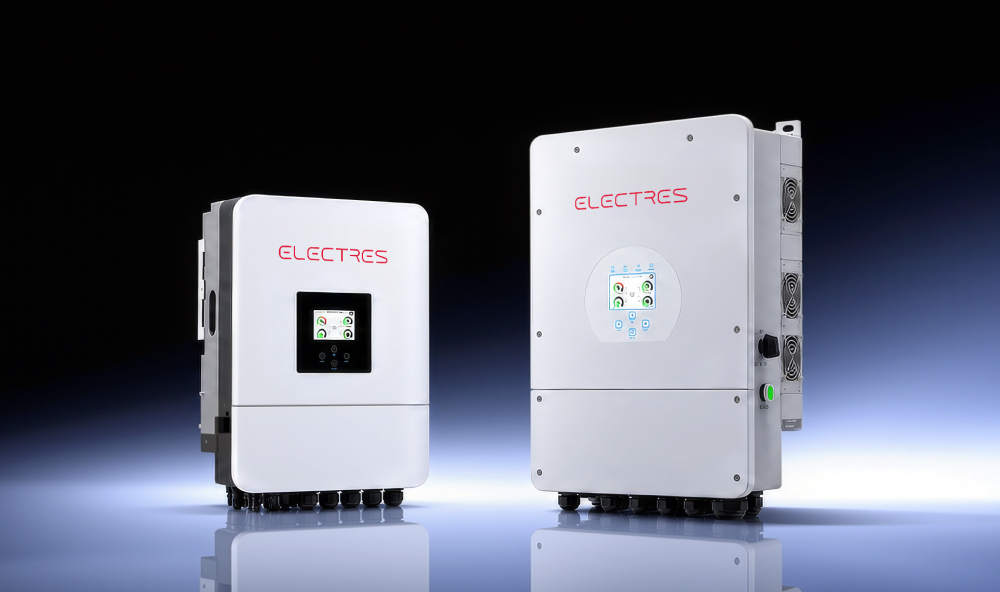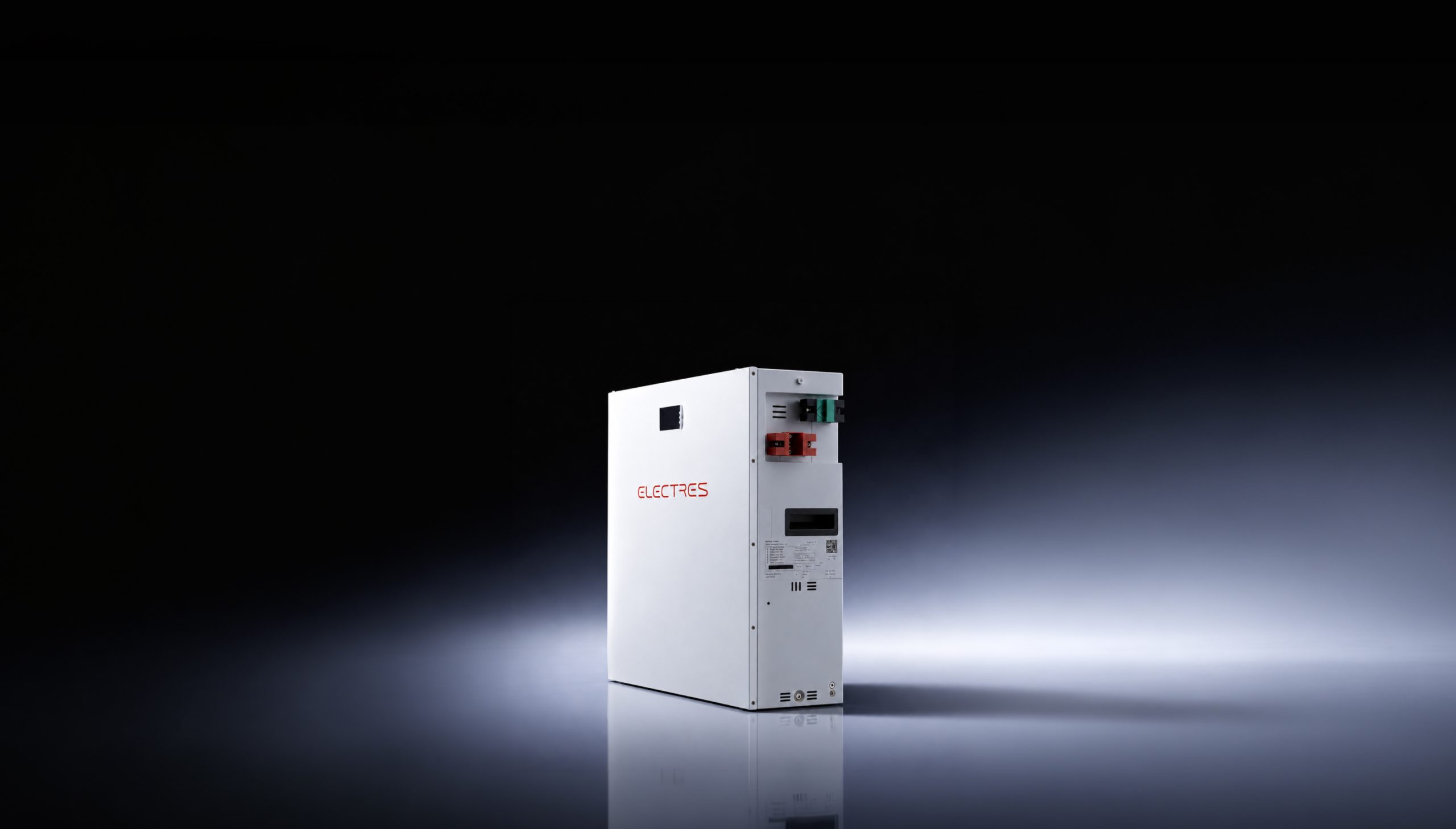
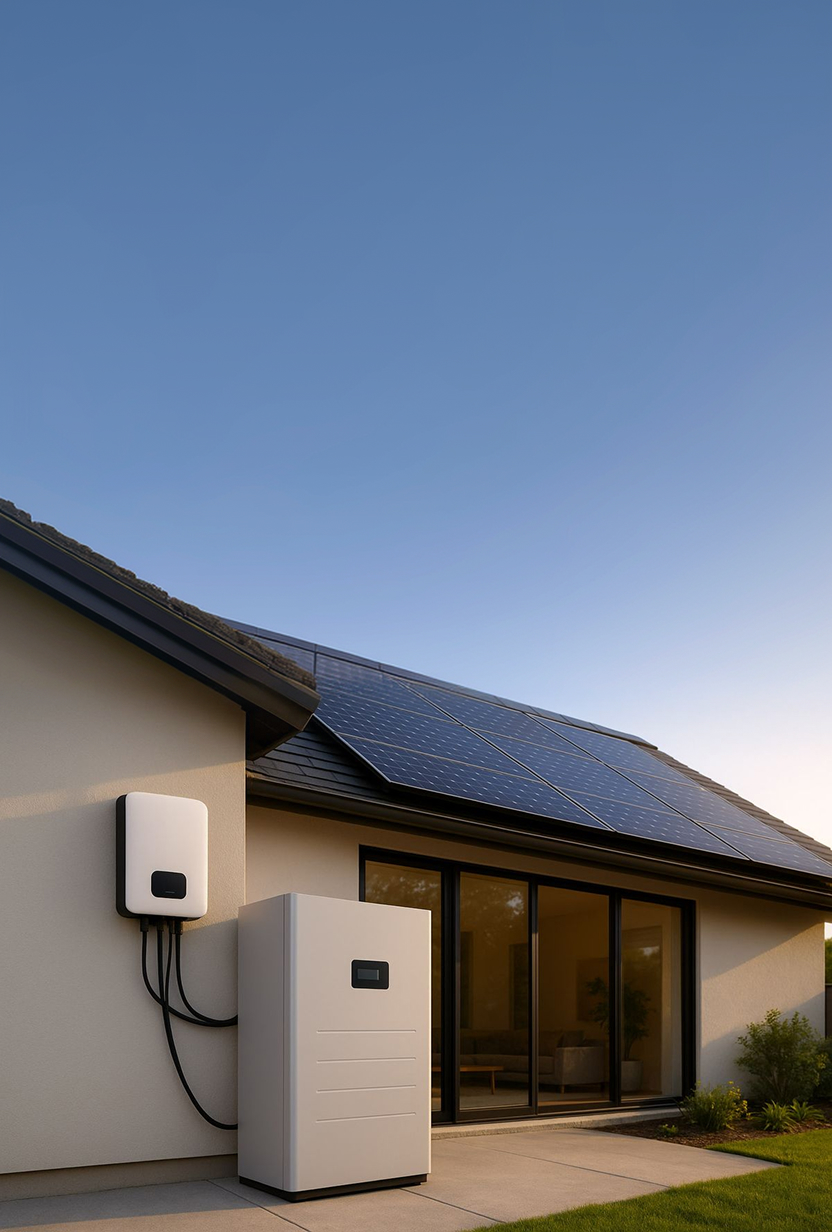
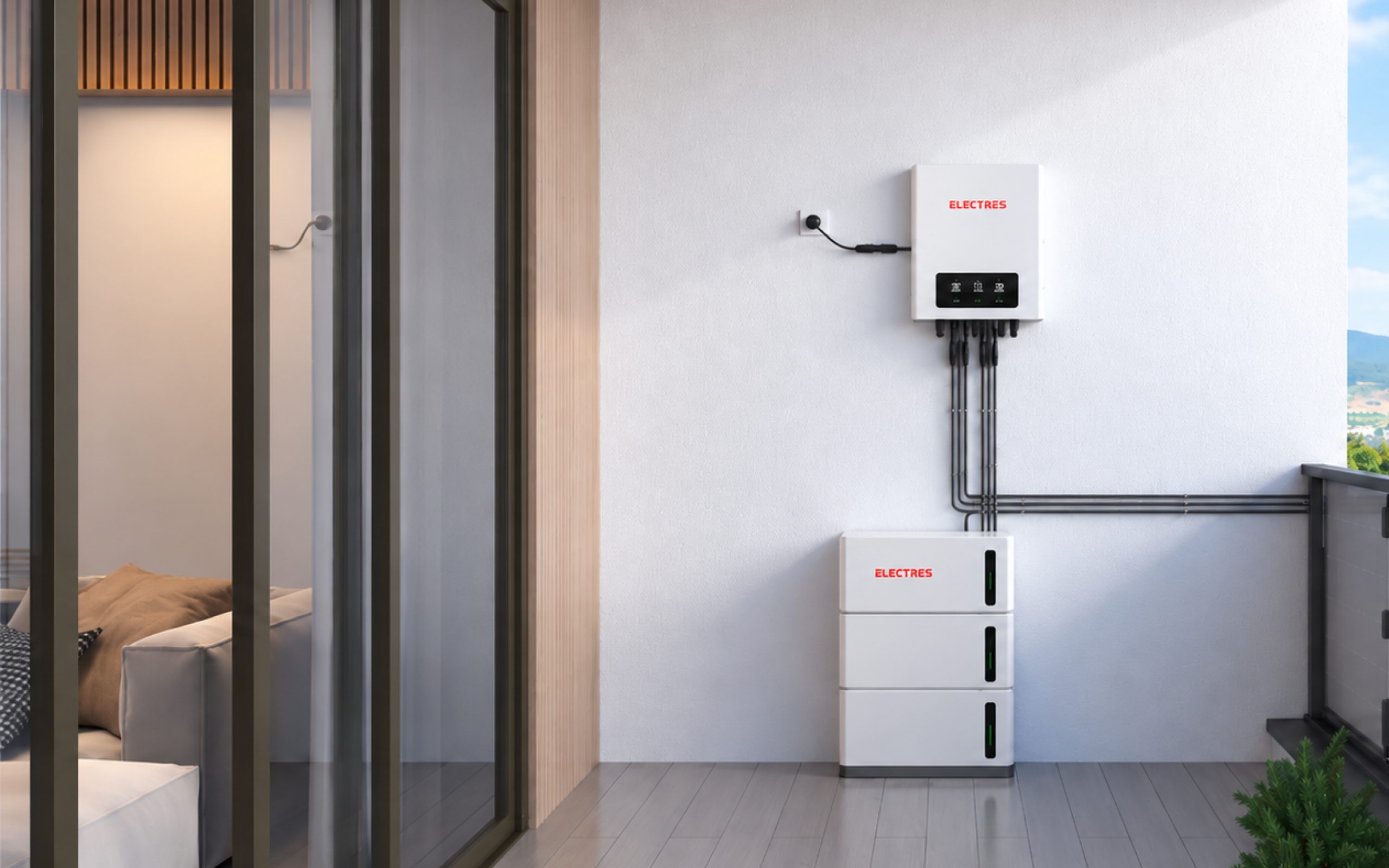
One power stage manages PV input, battery storage, grid supply and connected loads in a single phase system.
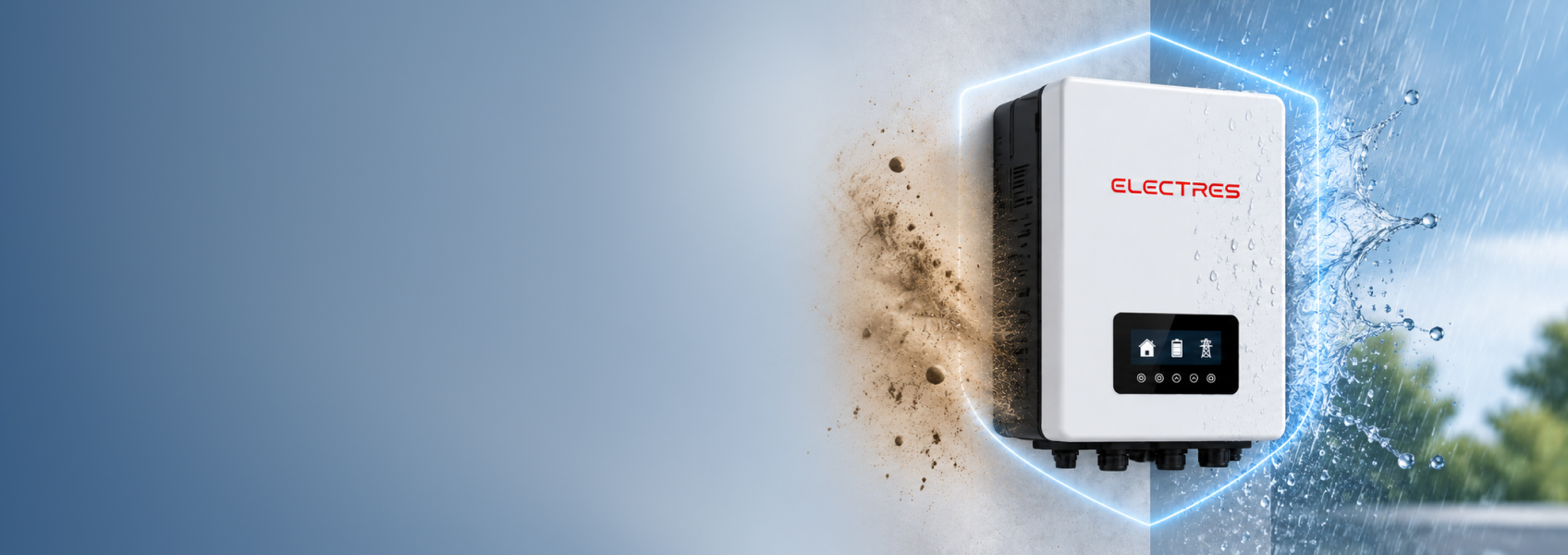
IP65-rated enclosure with Type II DC and Type III AC surge protection, rated from −40 °C to +60 °C with derating above 45 °C.

Configurable for either battery chemistry across a 40–60 V battery voltage range.
RS485, RS232 and CAN interfaces. GPRS, Wi-Fi, Bluetooth, 4G and LAN monitoring are listed as optional.
The charging strategy self-adapts to the connected battery management system rather than relying on a fixed profile.
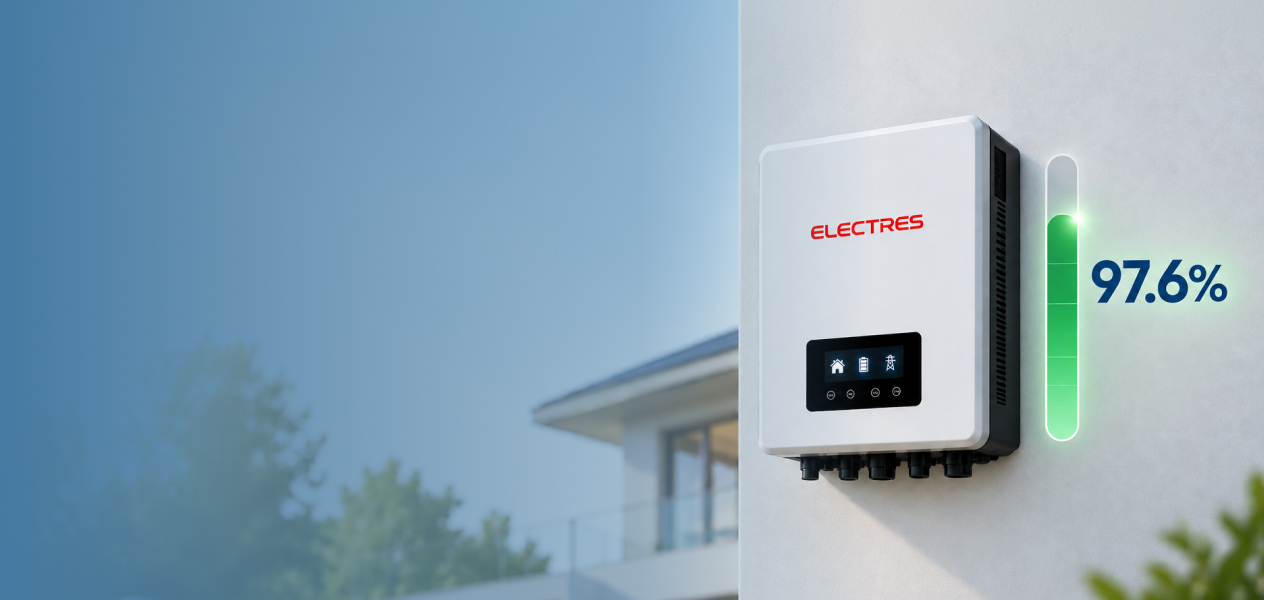
Maximum efficiency of 97.6% across the range, with a 370 V rated PV input voltage and 500 V maximum PV input.
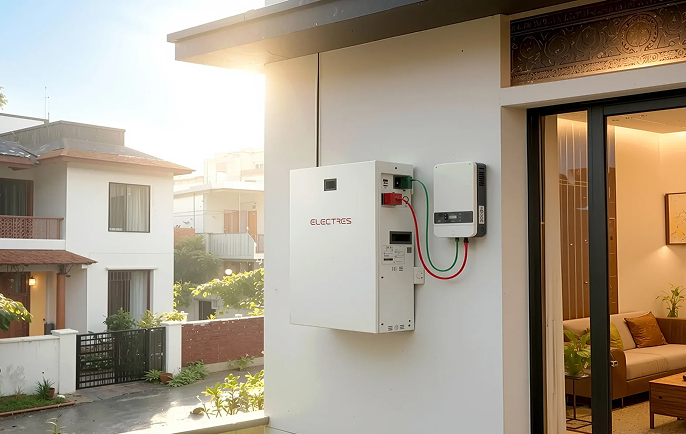
Built for everyday power needs - from homes and villas to shops and small businesses.
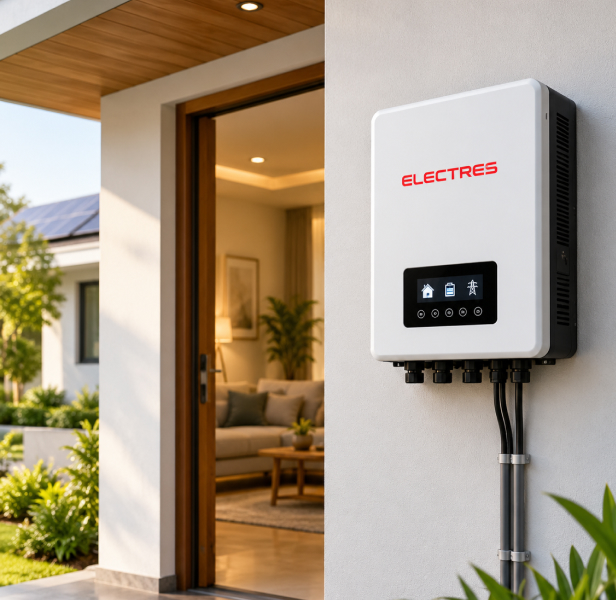
Reliable solar and battery power for everyday household needs.
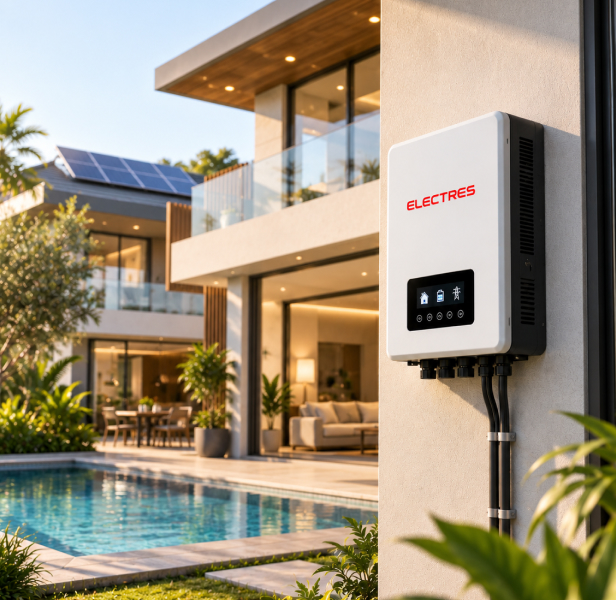
For larger homes with higher power requirements.
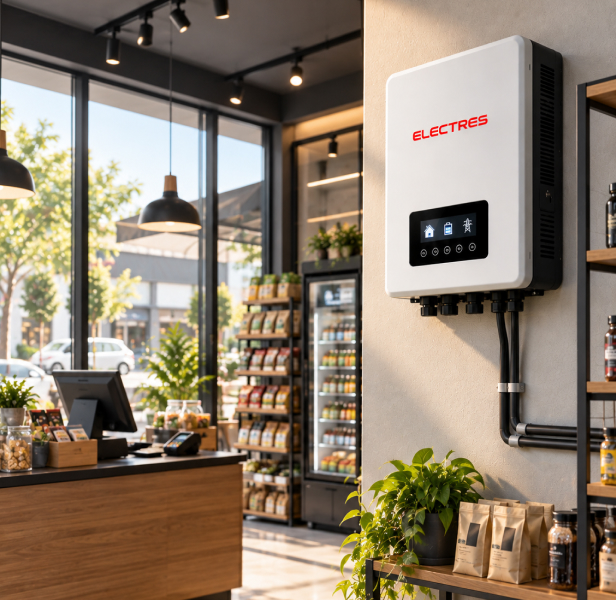
Can support retail premises on a single phase supply.
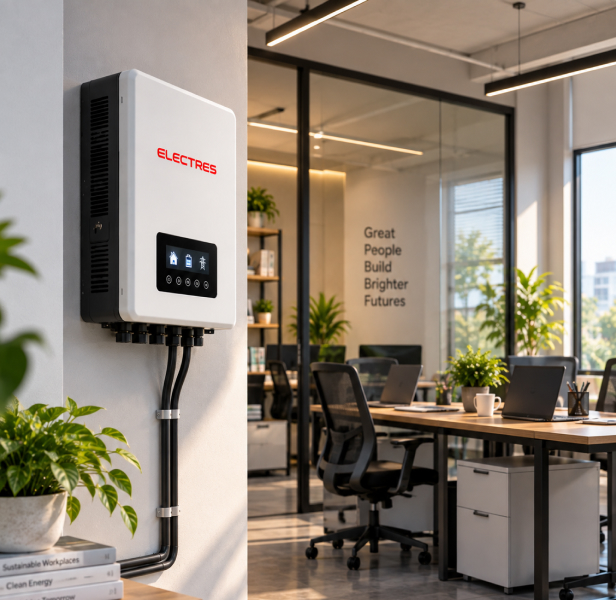
Ideal for relevant small commercial installations.
Solar generation supplies connected three-phase loads through the high-voltage hybrid inverter to optimise on-site energy use.
When solar generation exceeds demand, the hybrid inverter can direct surplus power to a compatible high-voltage battery system within permitted charging limits.
As solar generation and site demand change, the hybrid inverter coordinates solar, battery, and grid power according to the selected operating mode.
When battery discharge is enabled, the hybrid inverter converts DC power from the high-voltage battery into three-phase AC electricity for connected loads.
The hybrid inverter regulates power drawn from the battery based on site demand, operating settings, and permitted discharge limits.
When grid power is available, the hybrid inverter coordinates grid and battery power according to the configured operating mode.
In a correctly configured backup installation, the inverter can supply designated circuits while maintaining the required isolation from the utility grid.
The inverter converts battery DC power into three-phase AC electricity for designated backup loads, within its output limits and available battery power.
Where supported by the installed configuration, the hybrid inverter can use available solar generation to supply backup loads and charge the connected battery during an outage.
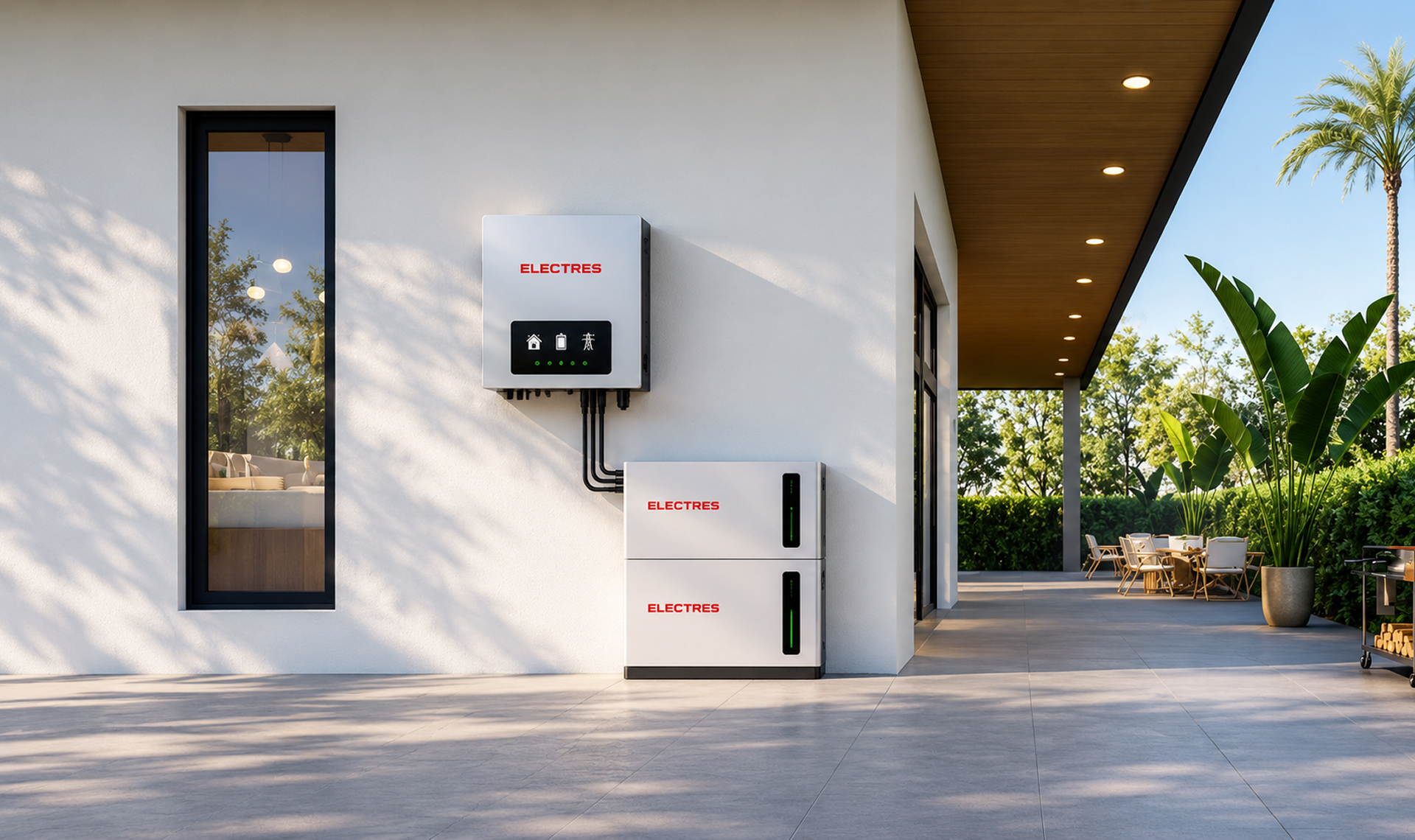
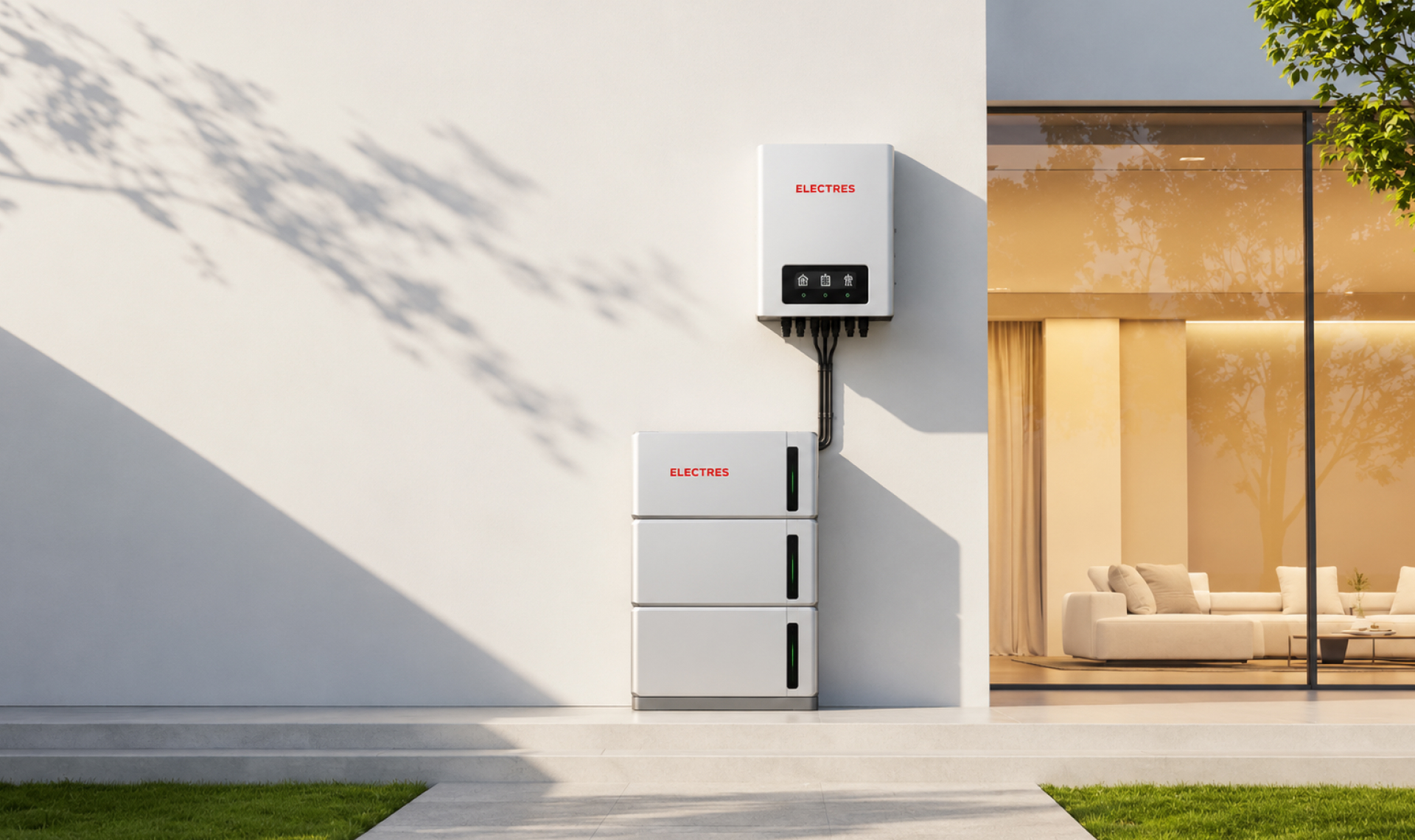
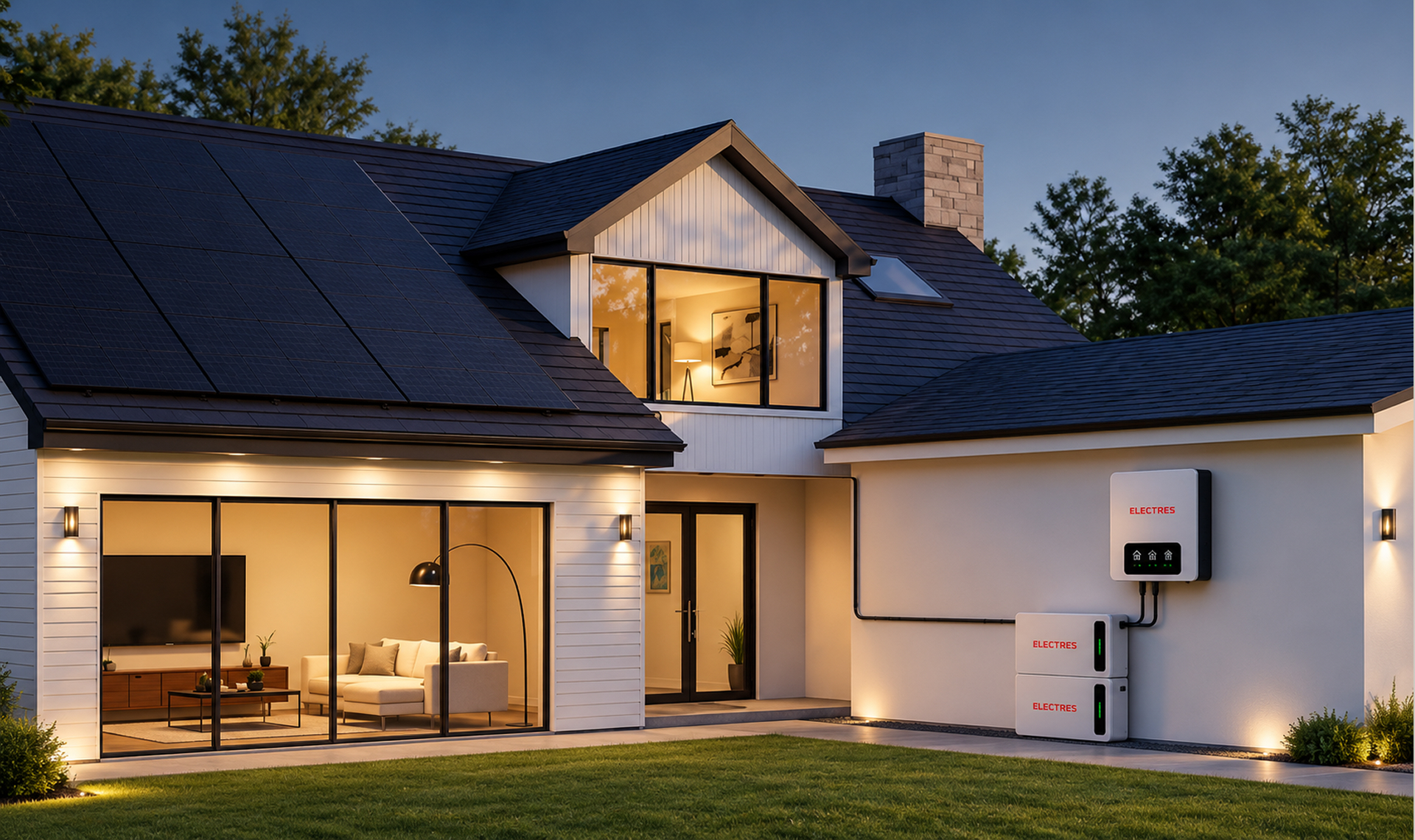
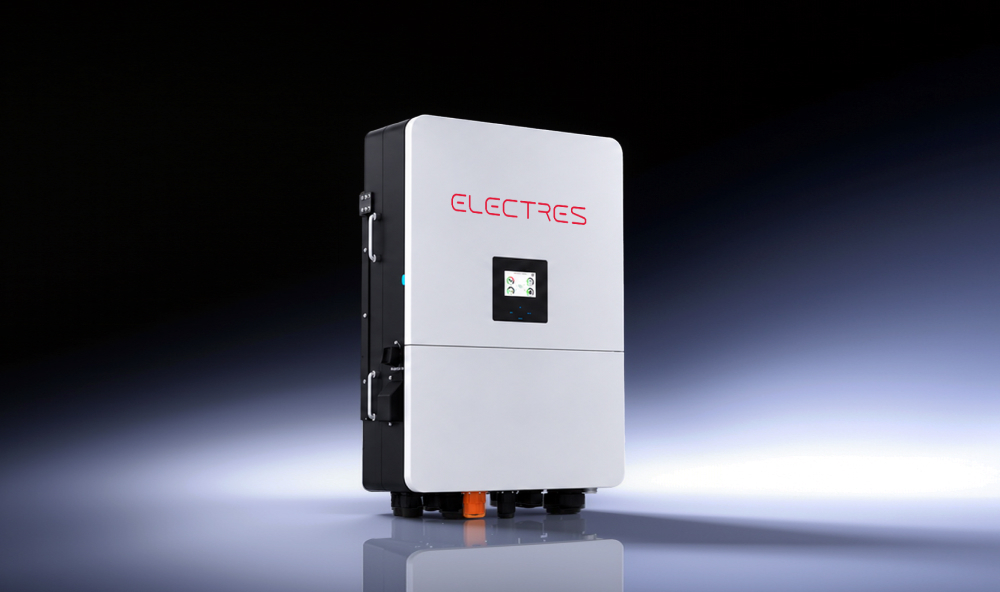
Compare Electres High Voltage Three-Phase Hybrid Inverter specifications across the 30–80 kW range.
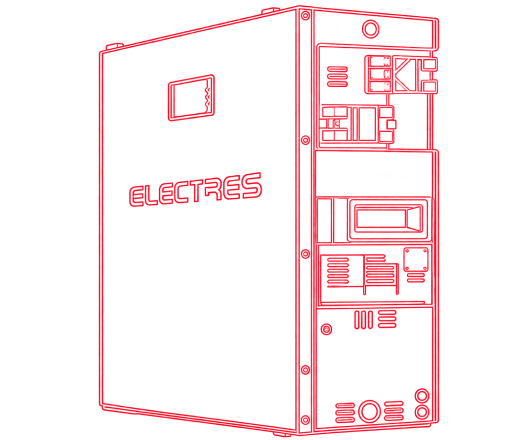
Explore compatible Electres battery options designed to work seamlessly with your hybrid inverter and match your energy storage needs.
Final inverter and battery compatibility should be confirmed based on system configuration and technical requirements.
A high voltage hybrid inverter integrates solar PV, high-voltage battery storage, grid supply and connected loads into one energy management system. It converts and manages power flow between these sources to support efficient solar and storage operation.
A three-phase high-voltage hybrid inverter manages energy between solar PV, battery storage, grid power, and connected loads. It uses solar energy directly when available, stores excess generation in batteries, and uses stored energy or grid power when required.
Electres High Voltage Hybrid Inverters support compatible lithium-ion battery systems with BMS-adaptive charging. Battery selection depends on the inverter model, battery voltage range, storage capacity, and overall system design.
The Electres High Voltage Hybrid Inverter range supports model-specific high-voltage battery configurations, including 160–700 V, 160–800 V, and 160–1000 V ranges, depending on the selected inverter model.
Solar PV capacity depends on the inverter model and system design. Electres High Voltage Hybrid Inverters support high PV input capacities, with model-specific limits for maximum PV input power, voltage, and current.
Electres High Voltage Hybrid Inverters support two to six MPPTs, depending on the model. Multiple MPPTs provide flexibility for configuring different solar PV string layouts and improving energy harvesting.
Yes. When connected to a compatible high-voltage battery system and configured for backup operation, the inverter can use stored battery energy to support selected loads during grid interruptions.
High Voltage Three-Phase Hybrid Inverters are designed for larger solar-plus-storage applications, including commercial buildings, manufacturing facilities, warehouses, hotels, schools, and other institutional sites requiring three-phase power management.
Store excess renewable generation instead of curtailment
Solutions across grid, C&I, and residential applications
From evaluation to system integration
Aligned with evolving energy infrastructure needs
Share your details and our team will guide you with the right Electres solution.
Planned battery storage capacity in India by 2030
Installed renewable capacity creating new grid balancing needs
Response time of modern grid-scale battery systems
Grid stabilisation for variable renewable generation
Proven for high-cycle grid resilience & rapid deployment.
Access partner pricing and eligible incentives.
Get customer leads and marketing assistance.
Access product training and installation guidance.
Get warranty assistance and technical support.
Join our growing network of Solar EPCs, dealers, and distributors. Share your details to explore partnership opportunities.